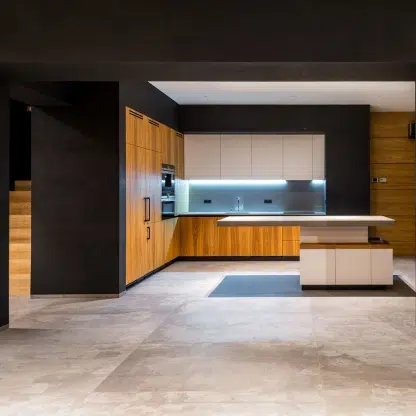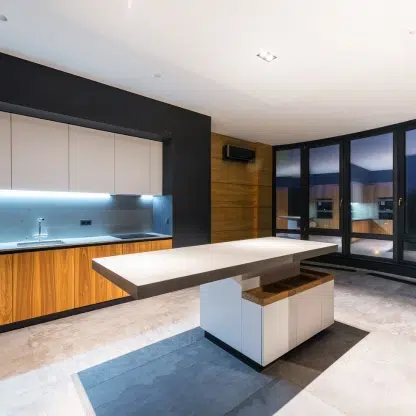



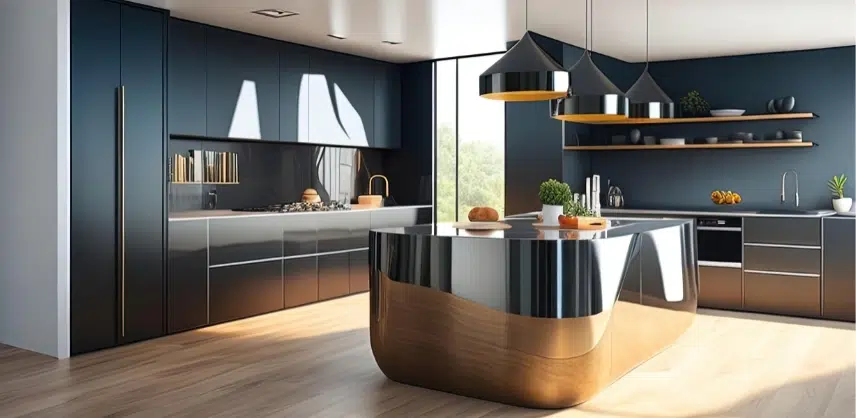
Aluminium kitchen cabinets in Dubai can be a practical choice when you are building a new kitchen or upgrading an existing one. Cabinets need to provide useful storage while also fitting the look and layout of your space.
The material matters, but it is not the only decision. Cabinet design, fabrication, hardware, finish, measurements and installation all affect the final kitchen.
For this reason, it helps to understand your options before you request a quotation.
What Are Aluminium Kitchen Cabinets?
Aluminium kitchen cabinets use aluminium profiles, frames, panels or a combination of these components.
Depending on the design, aluminium can form part of the:
- Cabinet structure
- Cabinet doors
- Panels
- Shelves
- Drawers
- Storage units
- Kitchen islands
Some kitchens combine aluminium with glass or other materials. Therefore, always ask the contractor which parts of the kitchen use aluminium.
OBA Aluminium & Glass Contracting includes kitchens and cabinet doors within its aluminium fabrication services.
Why Choose Aluminium Kitchen Cabinets in Dubai?
Kitchen cabinets face daily use. They can also come into contact with water, steam, cleaning and heat.
Aluminium offers several characteristics that make it worth considering for kitchen applications.
-
Moisture Resistance
Aluminium is resistant to moisture. As a result, it can be useful in areas where cabinets regularly come into contact with water.
This can include:
- Under-sink cabinets
- Areas near dishwashers
- Utility kitchens
- Frequently cleaned areas
However, good installation still matters. Sink areas, joints, plumbing connections and sealants need proper attention.
-
Easy Maintenance
Aluminium surfaces are generally straightforward to clean.
The correct cleaning method depends on the selected finish. Therefore, follow the contractor’s or manufacturer’s care recommendations.
-
Termite Resistance
Aluminium is not an organic material, so termites do not feed on it.
This can make it an attractive alternative for homeowners who want to reduce concerns associated with wood-based cabinet materials.
-
Lightweight Construction
Aluminium is relatively lightweight compared with some other metal options.
The actual weight and performance of a cabinet depend on its profile, thickness, construction and hardware.
-
Modern Appearance
Aluminium works well with contemporary kitchen designs.
For example, kitchens can combine:
- Matte finishes
- Gloss finishes
- Black frames
- White cabinets
- Wood-look finishes
- Glass-fronted cabinets
- Handleless doors
- Two-tone designs
As a result, an aluminium kitchen does not have to look industrial. The right combination of finishes and materials can create a clean residential appearance.
Modern Aluminium Kitchen Cabinet Design Ideas
Kitchen cabinets now come in many different styles. Aluminium can support several modern approaches.
Handleless Aluminium Kitchen Cabinets
Handleless cabinets create a clean and simple appearance.
Depending on the selected system, doors and drawers can use integrated profiles or other opening mechanisms.
Glass-Fronted Cabinets
Aluminium frames can work with glass panels to create display cabinets.
They can be useful for displaying crockery, glassware or decorative items while keeping the kitchen visually open.
Two-Tone Kitchen Cabinets
Two different finishes can add contrast to a kitchen.
For example, you could combine a darker finish for lower cabinets with a lighter finish for upper cabinets.
Aluminium Kitchen Islands
A kitchen island can add both storage and workspace.
Aluminium cabinet systems can be designed around the size and layout of the island. This approach can help you make better use of the available kitchen space.
Wood-Look Aluminium Cabinets
Some homeowners like the appearance of timber but want to consider an aluminium cabinet structure.
Wood-look finishes can provide a warmer appearance while keeping the aluminium structure.
What Are the Disadvantages of Aluminium Kitchen Cabinets?
Aluminium has several benefits. However, it is not the right choice for every kitchen.
Understanding the limitations can help you make a better decision.
Higher Initial Cost
Depending on the specification, aluminium cabinets can cost more than some basic cabinet systems.
The final cost depends on the size, design, finish, hardware and installation requirements.
Aluminium Can Dent or Scratch
Aluminium can withstand everyday use, but strong impacts can still cause dents or scratches.
The visibility of marks also depends on the selected finish.
Different Look and Feel
Some homeowners prefer the warmer appearance of wood or wood-based materials.
Aluminium can create a more contemporary appearance, especially when you use metallic finishes throughout the kitchen.
Fabrication Quality Matters
The material alone does not determine the quality of the finished kitchen.
Accurate cutting, assembly, alignment and installation all matter. Poor workmanship can affect cabinet gaps, door alignment and drawer operation.
Therefore, look at the contractor’s fabrication and installation capabilities as well as the material.
Aluminium vs Steel Kitchen Cabinets: Which Is Better?
Aluminium and steel both have applications in kitchens. However, they have different characteristics.
| Feature | Aluminium | Steel |
| Weight | Relatively lightweight | Heavier |
| Appearance | Modern and versatile | More industrial |
| Custom fabrication | Flexible | Strong but heavier |
| Residential use | Suitable for many applications | Often used for heavier-duty applications |
| Commercial use | Suitable for some applications | Common in heavy-duty applications |
For many residential kitchens, aluminium can be attractive when low weight, moisture resistance and modern design matter.
Steel can make more sense when heavy-duty construction is the main priority.
Therefore, there is no single material that works best for every kitchen.
Aluminium vs Melamine Kitchen Cabinets
Melamine is another common choice for kitchen cabinets.
It uses a decorative surface applied to an engineered board substrate. Aluminium takes a different approach to cabinet construction.
| Feature | Aluminium | Melamine |
| Moisture resistance | High | Depends on board and edge protection |
| Termite resistance | High | Depends on the substrate |
| Appearance | Modern and varied | Wide range of colours and patterns |
| Maintenance | Generally straightforward | Generally straightforward |
| Weight | Relatively lightweight | Varies |
| Cost | Can be higher | Often more budget-friendly |
If budget is your main concern, melamine may be worth considering.
On the other hand, aluminium may suit homeowners who prioritise an aluminium cabinet structure and moisture resistance.
Most importantly, compare the complete cabinet specification rather than the material name alone.
How Much Do Aluminium Kitchen Cabinets Cost in Dubai?
There is no fixed price for aluminium kitchen cabinets in Dubai.
Every kitchen has different dimensions, layouts and specifications. Therefore, the final quotation can vary.
Factors that can affect the cost include:
- Kitchen size
- Number of cabinets
- Aluminium profile
- Material thickness
- Cabinet construction
- Door design
- Surface finish
- Glass panels
- Drawer systems
- Hinges and hardware
- Kitchen accessories
- Countertop requirements
- Appliance integration
- Installation
- Site conditions
For this reason, two kitchens with similar sizes can still have different prices.
When comparing quotations, look at what each contractor includes. The lowest initial price may not represent the same specification or scope.
Which Aluminium Is Best for Kitchen Cabinets?
The right aluminium specification depends on the cabinet design and intended use.
Before approving a quotation, ask about:
- Aluminium grade
- Profile dimensions
- Panel thickness
- Surface treatment
- Powder coating or other finish
- Cabinet construction
- Hardware
- Load requirements
- Installation method
For example, base cabinets that hold heavier cookware may have different requirements from wall cabinets.
If you are unsure about the specification, ask the contractor to explain the proposed system and why it suits your kitchen.
Aluminium Kitchen Cabinet Installation Process
Good installation plays an important role in the finished result.
A typical aluminium kitchen project can follow these steps.
-
Site Inspection
The contractor reviews the kitchen space and existing conditions.
This can include walls, flooring, plumbing, electrical points, windows, doors and appliance locations.
-
Accurate Measurements
The contractor takes detailed measurements before fabrication.
This step matters because walls and floors may not be perfectly square or level.
-
Kitchen Design
The cabinet layout is planned around your space and requirements.
The design can include:
- Base cabinets
- Wall cabinets
- Tall units
- Pantry storage
- Kitchen islands
- Appliance housings
- Drawers
- Corner storage
- Open shelving
-
Material and Finish Selection
Next, you select the aluminium profile, colour, finish, door style and hardware.
The contractor can then work from the approved design.
-
Fabrication
The aluminium components are cut, prepared, assembled and finished according to the project requirements.
Accurate fabrication helps maintain consistent alignment and cabinet gaps.
-
Delivery and Installation
The finished components are delivered to the property and installed according to the approved layout.
The installation team checks the positioning of cabinets, doors, drawers and hardware.
-
Final Inspection
Finally, the completed kitchen is checked before handover.
Any necessary adjustments can then be addressed.
How to Choose an Aluminium Kitchen Contractor in Dubai
The contractor you choose can have a major effect on the finished kitchen.
Before starting, ask a few straightforward questions.
What exactly is made from aluminium?
Ask whether the complete cabinet system uses aluminium or whether the contractor combines aluminium with other materials.
What aluminium specification will be used?
Ask about the profile, thickness, finish and cabinet construction.
What hardware is included?
Hinges, drawer systems, handles and other hardware affect everyday use.
How are measurements taken?
Custom cabinets need accurate measurements. Ask whether the contractor will inspect the site before fabrication.
Where are the cabinets fabricated?
Understanding the fabrication process can help you assess the contractor’s capabilities.
Who handles installation?
Confirm whether the same company handles fabrication and installation.
What does the quotation include?
Ask for a clear breakdown of fabrication, hardware, delivery, installation and other project requirements.