


Noise reduction windows in Dubai can make a difference when traffic, construction, road activity or other outdoor sounds disturb your home. If you hear outside noise through your aluminium windows or sliding balcony doors, the problem may come from worn seals, gaps around the frame or the type of glass in your existing system.
For many residents, the issue goes beyond occasional noise. Outside sounds can interrupt sleep, make it difficult to relax and affect everyday comfort. However, replacing every window is not always the first step. In this guide, we explain where noise may enter, what you can check and when a professional inspection can help you choose the right solution.
Why Can You Hear Outside Noise Through Your Windows?
Windows and doors form part of your home’s barrier against outdoor sound. However, sound can travel through glass, frames and even small openings around the edges.
Several issues may contribute to unwanted noise:
- Gaps around the frame: Small openings can allow outside sound to enter.
- Worn rubber seals: Damaged or flattened seals may no longer close the gaps properly.
- Poor panel alignment: A sliding panel that does not close evenly can leave openings.
- Glass specification: Different glass types and thicknesses offer different levels of sound reduction.
- Installation issues: Gaps around the installed frame can affect the overall performance of the window.
Therefore, before choosing a replacement, identify how and where the sound enters. The right solution depends on the condition and design of your existing windows and doors.
Common Sources of Noise Around Aluminium Windows and Doors
1. Gaps Around Window and Door Frames
Even a small gap around a window or door can provide a path for outside noise. You may notice this problem around the frame edges, especially if the installation or surrounding sealant has deteriorated.
First, inspect the visible joints around the frame. Look for damaged finishing, loose sealant or openings between the frame and the wall.
However, do not cover every gap with adhesive tape or sealant without identifying its purpose. Some openings form part of the window’s drainage system. A professional should assess the area before you make changes.
2. Worn or Damaged Rubber Seals
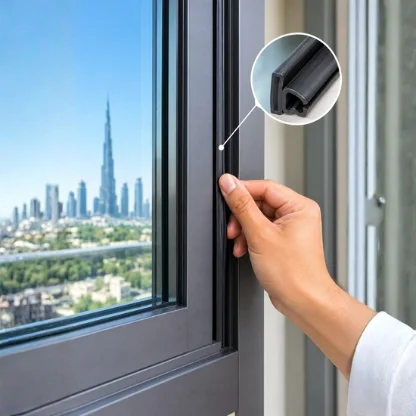
Rubber seals help close the contact points between window panels and frames. Over time, regular use and exposure to outdoor conditions can flatten, crack or loosen these seals.
As a result, the window may no longer close as tightly as it should. You might also notice whistling sounds during windy conditions.
Check the seals along the edges of the window and sliding door panels. If you find visible damage, ask a specialist to check whether the seals need adjustment or replacement.
3. Sliding Balcony Doors That Do Not Close Properly
Sliding balcony doors have moving panels, tracks and rollers. If the panel shifts out of alignment or the rollers develop problems, the door may leave a gap when closed.
Consequently, outside noise can become more noticeable, particularly near the balcony entrance.
Open and close the door gently. Notice whether the panel moves smoothly and meets the frame evenly. If it sticks, feels unusually heavy or leaves a visible gap, arrange an inspection rather than forcing it.
4. Glass That Does Not Meet Your Noise-Reduction Needs
Glass plays an important role in the acoustic performance of a window. However, not all glass provides the same level of sound reduction.
The result depends on several factors, including glass thickness, the combination of glass panes, the spacing between panes and the overall window construction.
For example, some double-glazed systems can reduce outside noise more effectively than basic single-glazed systems. However, performance varies with the glass specification and the complete window assembly.
Therefore, do not choose new glass based on the number of panes alone. Consider the type of noise, the existing frame and the performance you want to achieve.
How to Improve Noise Reduction Through Your Windows
Once you understand the likely source of the noise, you can consider practical ways to improve the situation.
1. Check and Maintain the Window Seals
Start by inspecting the rubber seals around your windows and sliding doors. Look for cracks, loose sections or areas where the material no longer makes proper contact.
If the seals show signs of wear, a compatible replacement may help close unwanted gaps. However, the correct seal must suit the window system and allow the panels to operate properly.
2. Check Sliding Door Alignment
Next, check whether your sliding balcony door closes evenly. A panel that sits incorrectly may leave openings around the edges.
If you notice uneven movement or difficulty closing the door, ask a professional to inspect the rollers, track and alignment. Correcting the underlying issue may improve how the door closes.
3. Inspect the Frame and Surrounding Joints
Look at the areas where the window frame meets the wall. Damaged sealant or visible openings may contribute to sound entering the room.
However, the correct repair depends on the location and purpose of the gap. An inspection can help distinguish between damaged sealing and necessary drainage openings.
4. Consider Suitable Acoustic Glass
If the existing glass contributes significantly to the noise problem, you may want to explore alternative glazing options.
Depending on the project, options may include laminated acoustic glass or a suitable double-glazed system. Each option has different characteristics, and the right choice depends on the required acoustic performance and the existing frame.
Before making a decision, consider:
- The type and level of outside noise.
- The current glass thickness and configuration.
- The condition and capacity of the aluminium frame.
- The available space within the existing window system.
- The overall installation requirements.
A suitable assessment can help you avoid choosing glass that does not match your actual needs.
Can Double Glazing Reduce Outside Noise?
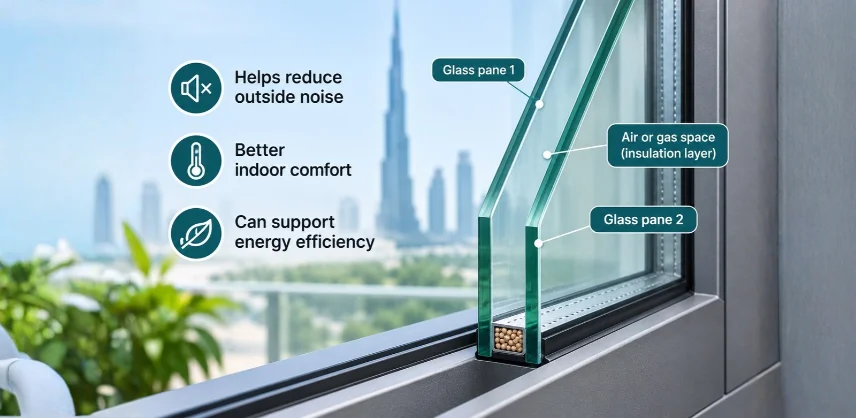
Yes, a properly designed double-glazed window can help reduce outside noise. It uses two panes of glass separated by a space, creating a different sound barrier from a single-glazed system.
However, not every double-glazed window performs equally. Glass thickness, the spacing between panes, the frame, seals and installation all influence the final result.
For this reason, compare the acoustic performance of the complete window system rather than relying on the term double glazing alone.
If noise is your main concern, ask about the system’s acoustic performance and whether the proposed glass and frame suit your property.
DIY Solutions vs Professional Window Inspection
When outside noise becomes frustrating, it is tempting to try adhesive strips, foam or other quick fixes. These products may help with certain small gaps. However, they do not address every cause of noise.
For example, a strip that does not fit the frame properly may prevent a sliding panel from closing. Similarly, adding material in the wrong place can interfere with drainage or normal door movement.
A professional inspection takes a different approach. Instead of applying a temporary fix immediately, a specialist can examine the frame, seals, glass and moving components to identify the likely source.
Consider professional help if:
- You still hear significant noise after checking the seals.
- Your sliding door does not close evenly.
- You notice whistling around the window during windy weather.
- The frame has visible gaps or damaged finishing.
- You are considering replacing the glass or entire window system.
This approach helps you understand the problem before spending money on a repair or replacement.
When Should You Consider Replacing Your Windows?
A complete window replacement may make sense when the existing system no longer meets your requirements. However, it is worth checking the condition of the current installation first.
You may be able to improve the existing system when:
- The frame remains in good condition.
- The main issue involves worn or damaged seals.
- The sliding panels need adjustment.
- The surrounding joints need suitable maintenance.
- The existing frame can accommodate an appropriate glass upgrade.
You may need to consider a new window system when:
- The existing frame has significant damage.
- The current design cannot meet your performance requirements.
- The glass or other components need a complete upgrade.
- The window has persistent operating or installation problems.
Ultimately, the right decision depends on the existing system, your property and the level of noise reduction you want.